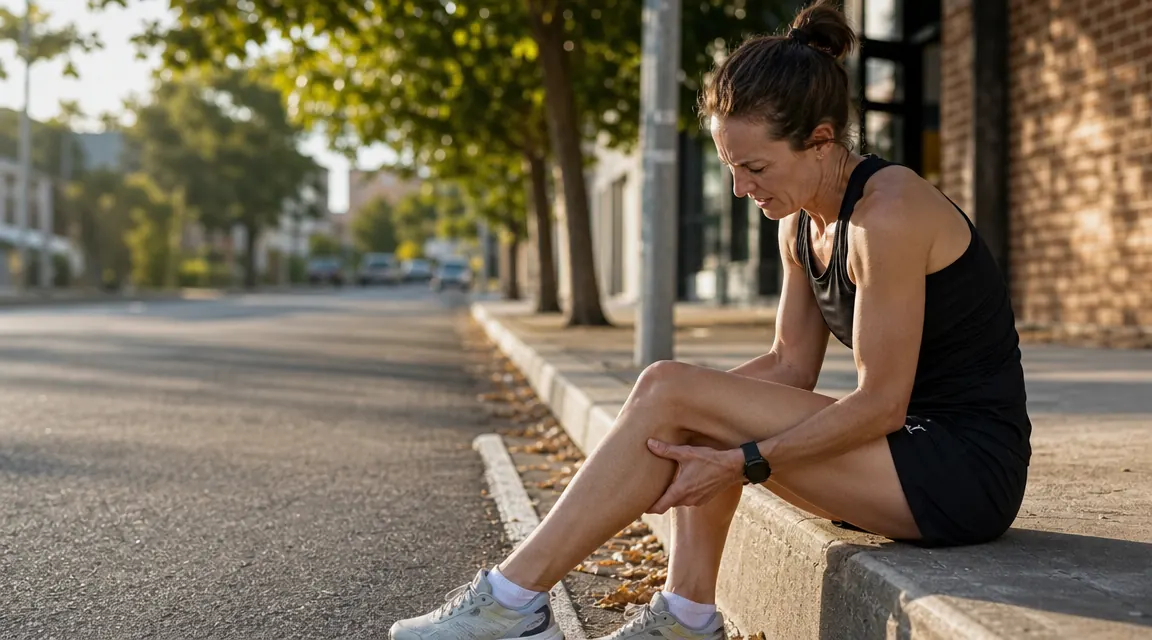
You finished a run that felt great in the moment. Then you woke up the next morning and your calves felt like someone had wrapped them in concrete overnight. That is delayed onset muscle soreness (DOMS) doing its thing, and for runners it tends to hit the calves harder than almost any other muscle group. The gastrocnemius and soleus absorb thousands of foot strikes per mile. When you push the pace, add hills, or run farther than your legs are used to, those muscles accumulate micro-damage that peaks 24 to 48 hours later.
The problem is that most runners either ignore the soreness and grind through it, or rest completely and lose momentum. There is a better path. The right recovery protocol, applied in the right sequence, can cut the peak soreness window significantly and have your calves ready to run again faster. This guide walks through five techniques in the order you should apply them, starting from the minute you stop running. The BLITZU Calf Compression Sleeve is the one recovery tool I keep coming back to as the first line of defense, and I will explain exactly why and when to use it.
Your calves are still absorbing the damage from today's run. Compression right now changes how tomorrow feels.
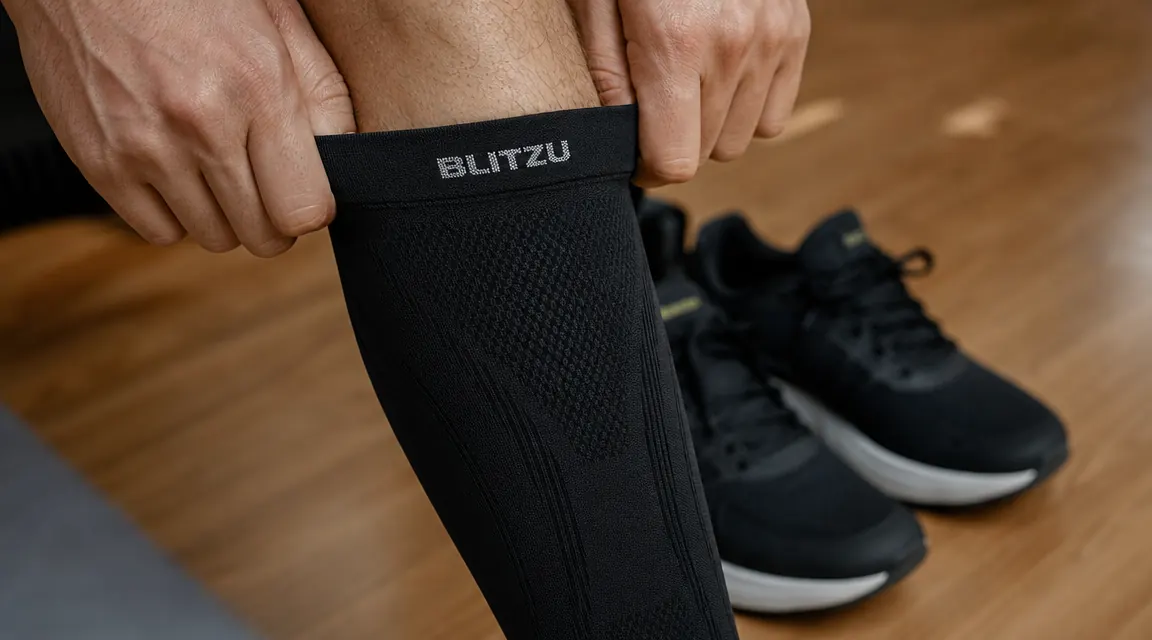
The BLITZU Calf Compression Sleeve (4.5 stars, 24,000+ reviews) is the fastest single action you can take post-run to reduce calf soreness. Slide it on within 30 minutes of finishing and keep it on for at least two hours.
Amazon Check Today's Price on Amazon →Step 1: Put On Compression Within 30 Minutes of Finishing Your Run
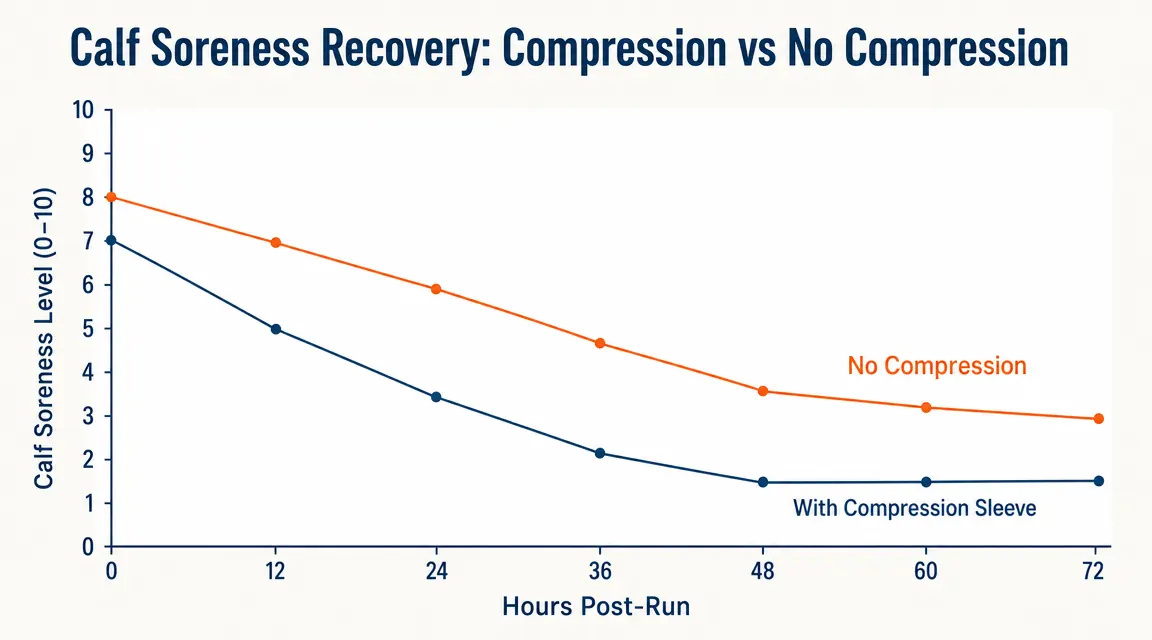
The single highest-leverage action you can take after a hard run is to apply graduated compression to your calves before the inflammatory response gets ahead of you. Compression sleeves work by applying gentle external pressure that increases venous return, which means your blood moves metabolic waste products out of the muscle tissue faster. The faster lactic acid and other byproducts clear, the less swelling accumulates, and swelling is a primary driver of the stiffness you feel the next morning.
The timing matters more than most runners realize. Waiting until you are already sore is fighting a fire that is already burning. Applying compression within 30 minutes of finishing means you are working ahead of the peak inflammatory response, not behind it. I started using BLITZU calf sleeves immediately post-run last spring when I was logging 35-mile weeks and dealing with chronic calf tightness on my right side. I would slide them on in the parking lot before even getting in the car. By the second week I noticed I was walking down stairs normally the next morning instead of grabbing the railing.
A few practical notes on fit: the BLITZU sleeve runs true to size for most people but if your calf measurement is right at a size boundary, size up rather than down. The compression should feel firm and supportive, not tourniquet-tight. You should be able to slide two fingers under the top band. Wear it for at least two hours post-run. If you are dealing with shin splints as well, the sleeve covers from ankle to just below the knee, which means you get calf and shin support from a single piece of gear.
Step 2: Elevate and Ice for 15 Minutes While the Sleeve Is On
Combining compression with elevation is more effective than either alone. When your legs are elevated above heart level, gravity assists venous return and takes pressure off the small blood vessels in the calf. Add a bag of ice wrapped in a thin towel and you get vasoconstriction that further limits the extent of the initial inflammatory swelling. The combination is standard in sports medicine for a reason: it targets the same problem through three different mechanisms simultaneously.
The protocol I use: lie flat on the floor or a couch, prop your calves on two stacked pillows or the arm of the couch, lay a cold pack over the compression sleeve, and set a 15-minute timer. You do not need to go longer than 20 minutes with ice. The goal is to dampen the initial inflammatory spike, not eliminate it entirely. Some inflammation is part of the adaptation process. After icing, keep the sleeve on but remove the ice. Stay elevated for another 15-20 minutes if you can.
Step 3: Hydrate With Electrolytes, Not Just Water
Calf cramps and prolonged muscle soreness are often partly a hydration and electrolyte problem, not just a mechanical damage problem. The gastrocnemius muscle is one of the first places where sodium and potassium imbalances show up as cramping or stiffness. If you finished a run that involved more than 45 minutes of effort and you only replace fluid with plain water, you are diluting your remaining electrolytes rather than restoring them.
Within 30 minutes of finishing, take in 16-24 oz of fluid with sodium. This can be a sports drink, an electrolyte tablet dissolved in water, or something as simple as water with a quarter teaspoon of sea salt and a small amount of juice for potassium. Magnesium is worth adding to your evening routine on heavy training days: magnesium glycinate at 200-400mg before bed supports muscle relaxation and has been associated with reduced DOMS severity in several small studies. The soreness mechanism is muscular and systemic, so treat it on both fronts.
Step 4: Foam Roll Your Calves That Evening, Not Immediately Post-Run
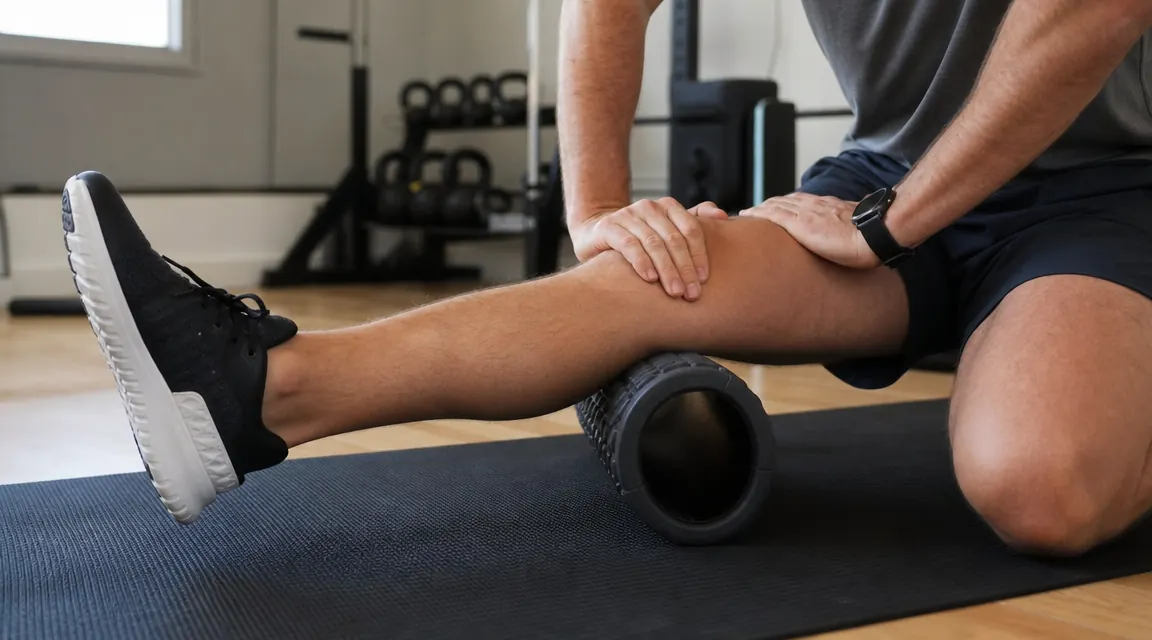
Here is where most runners get the timing wrong: they foam roll immediately after a run when the tissue is still hot and swollen, which can aggravate rather than help. The better window is three to four hours post-run, or that evening after the initial inflammatory response has calmed down. By then, compression and elevation have done their work, the tissue has stabilized, and foam rolling can do what it is actually good at, which is improving blood flow, breaking up adhesions, and restoring tissue mobility.
For calf foam rolling, start below the knee and work down toward the ankle in slow, deliberate passes. Spend about 60 seconds per section. When you hit a spot that produces a 6-out-of-10 sensation of discomfort, stop and hold pressure for 20-30 seconds until you feel the tissue release. Do not roll aggressively. The goal is not pain tolerance, it is circulation and mobility. Cross the free ankle over the working leg to add body weight and deepen the pressure. Spend extra time on the inner calf (soleus area) which runners tend to neglect in favor of the outer head.
Foam rolling immediately after a run when the tissue is still hot and swollen can aggravate rather than help. Wait three to four hours. Let compression do its job first.
Step 5: Do a Light Calf Stretch Sequence Before Bed
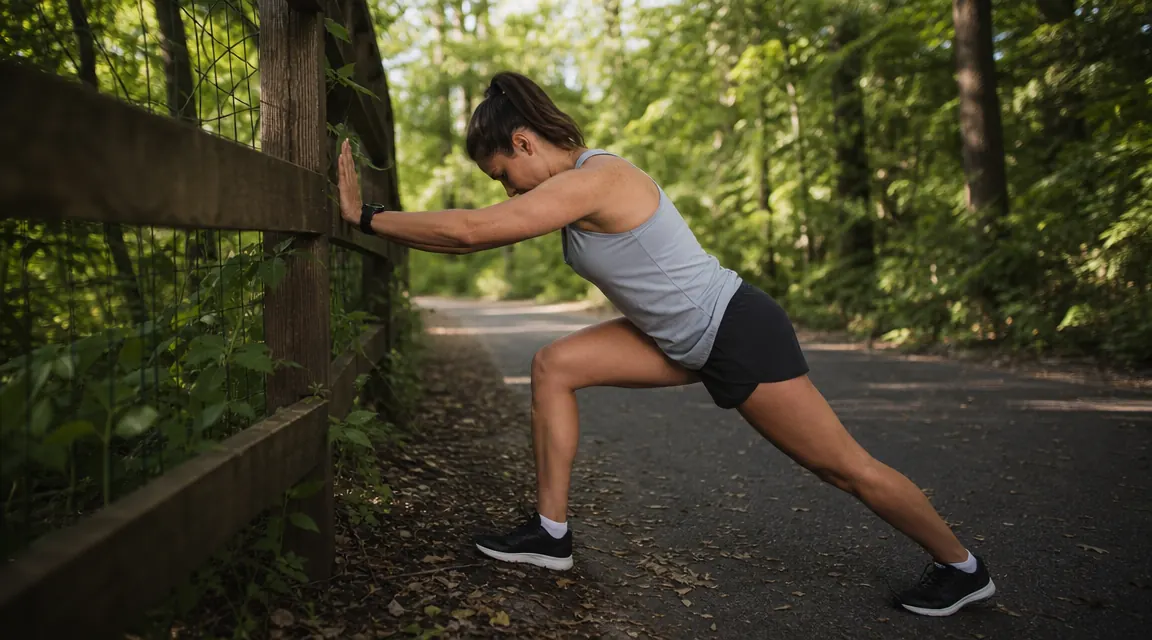
Static stretching gets a bad reputation in running circles because it is not effective as a warm-up. But that is a different conversation from whether it helps with recovery. Done at the right time, a gentle calf stretch sequence before bed improves tissue length, reduces morning stiffness, and gives you a better range of motion going into your next run. The key word is gentle: you are not trying to gain flexibility at 10pm after a hard training day. You are working at 50-60% of your maximum stretch capacity.
The sequence I use takes about five minutes. Start with a standing wall stretch: hands on the wall, back leg straight, front knee bent, hold 30 seconds per side. Then move to a bent-knee wall stretch which targets the soleus specifically (the muscle that often contributes more to calf pain than the gastrocnemius): same position but with the back knee slightly bent, hold 30 seconds per side. Finish with a seated towel stretch: seated on the floor, loop a towel or resistance band around the ball of your foot and gently pull your toes toward your shin for 30 seconds per leg. The entire sequence takes about five minutes and the effect on morning stiffness is noticeable, especially in the first 48 hours after a longer run.
What Else Helps With Calf Recovery Between Runs
The five-step protocol handles acute post-run soreness. But if you are dealing with recurring calf tightness or you are in a high-mileage training block, there are a few additional habits worth building in.
Wearing your compression sleeve during easy recovery runs is one of the more underrated strategies for managing calf fatigue across a training week. The BLITZU sleeve is thin enough to fit inside most running shoes without changing your foot feel, so you can wear it during a 30-minute shake-out run the day after a hard effort. A handful of research studies have found that compression during low-intensity exercise can reduce perceived exertion in fatigued muscles, which matters practically when your legs feel heavy and you are trying to keep your easy days actually easy.
Calf raises done slowly and under control are one of the best prehab exercises for runners. Three sets of 15 single-leg calf raises three times a week builds the soleus and gastrocnemius strength that reduces the microtrauma per mile over time. The stronger your calf musculature, the less soreness accumulates from a given training load. Think of it as raising your soreness threshold rather than chasing soreness after the fact.
Sleep quality is also a legitimate recovery variable that most runners treat as optional. Human growth hormone, which drives muscle repair, is primarily released during deep sleep. If you are getting less than seven hours, or your sleep is fragmented, your calves are not recovering as fast as they could regardless of what you do during the day. Magnesium glycinate at bedtime has been one of the most consistent tools in my own sleep and recovery stack for this reason.
Finally, take an honest look at your run mechanics. Overstriding, which means landing with your foot well ahead of your center of mass, dramatically increases the eccentric load on your calves at ground contact. A simple cue: aim to land with your foot under your hip, not in front of it. Even partial improvement in your landing mechanics can reduce post-run calf soreness without any change to mileage or pace. If you run in highly cushioned shoes, experiment with a stability-neutral shoe with a lower heel-to-toe drop for some of your easy runs. The calf muscles and Achilles do more work but also adapt to manage load more efficiently over a few months.
Most runners wait until the soreness peaks to do something about it. Start with compression now and change what tomorrow looks like.
The BLITZU Calf Compression Sleeve is rated 4.5 stars across more than 24,000 reviews. It covers shin splints and calf soreness in one sleeve, fits under running shoes, and has held up through 50-plus washes without losing its compression grade. Check today's price on Amazon.
Amazon Check Today's Price on Amazon →