
If you've been running long enough, you know the feeling: two days after a hard 10-miler, your calves are so tight it hurts to walk down stairs. You stretch, you foam roll, you drink more water. Some of it helps. But there's one recovery tool that most recreational runners overlook entirely, and it costs less than a post-run smoothie. Calf compression sleeves work on the physiology of recovery, not just the symptoms. Here are 10 specific reasons why.
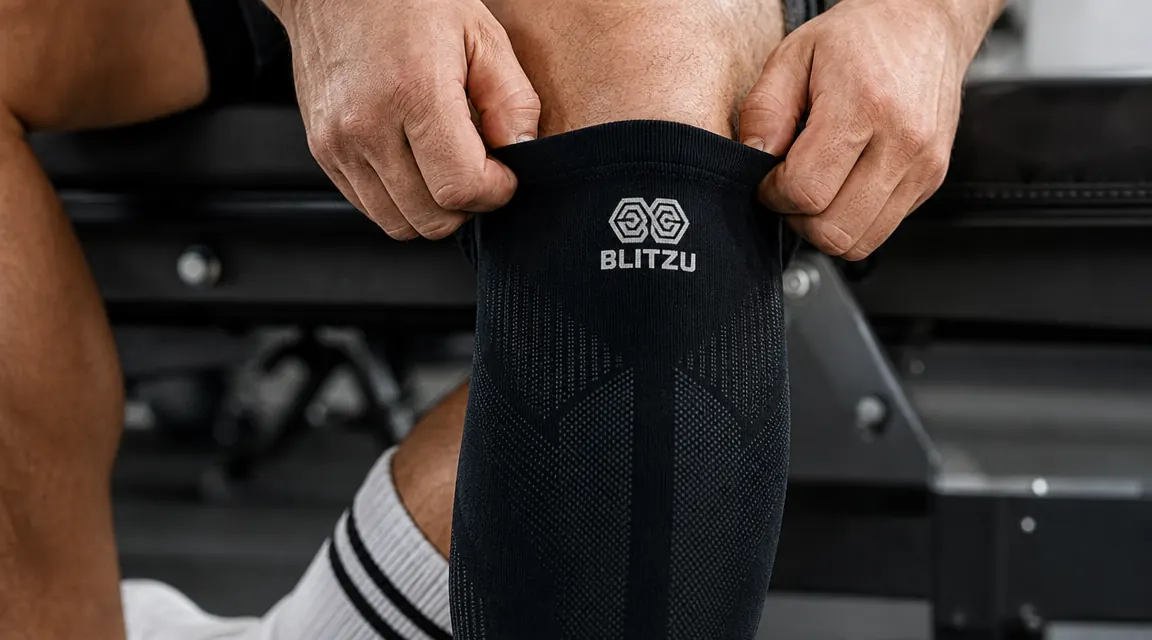
My go-to pick is the BLITZU Calf Compression Sleeve. At under $15 for a pair, it's the lowest barrier-to-entry recovery tool I've recommended to any runner dealing with shin splints, calf tightness, or slow recovery between workouts. With a 4.5-star rating across more than 24,000 reviews, it earns its spot in a crowded category.
If Your Calves Are the Thing That Slows Your Comeback, This Fixes That
The BLITZU Calf Compression Sleeve is under $15, ships fast, and works from the first wear. More than 24,000 runners have rated it 4.5 stars. See current sizing and pricing on Amazon.
Amazon Check Today's Price on Amazon →Graduated Compression Moves Pooled Blood Back Toward the Heart
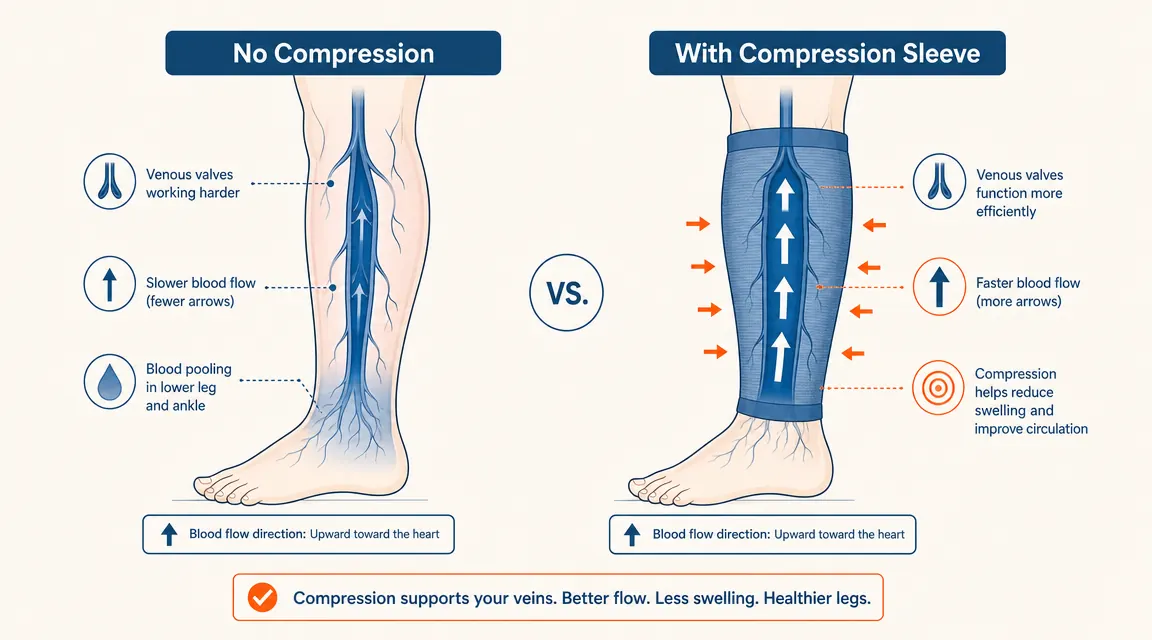
When you run, blood pools in the lower legs because your calf muscles have been hammered. Graduated compression sleeves apply more pressure at the ankle and less toward the knee, creating a mechanical pump that pushes deoxygenated blood upward and out of the tissue. The result is less swelling, less heaviness, and a calf that doesn't feel like a clenched fist the next morning. The BLITZU sleeve uses 15-20 mmHg compression, which is enough to make a real physiological difference without restricting circulation.
Faster Lactate Clearance Means Less Burn the Day After
Lactate buildup is one reason your legs feel heavy and acidic in the 24 hours following a hard effort. Compression accelerates the circulation that clears metabolic waste from the muscle tissue. Runners who wear compression sleeves during or immediately after a run consistently report less "dead leg" feeling the next day. It's not magic, but improved venous return has a measurable effect on how quickly your muscles shed the byproducts of hard work.
Reduces Vibration Damage to Muscle Fibers During the Run
Every footstrike sends a vibration wave up through your lower leg. Over the course of a long run, those micro-vibrations cause small amounts of muscle fiber damage that accumulate into the soreness you feel 24-48 hours later. Compression sleeves dampen that vibration mechanically, reducing the initial damage that drives delayed onset muscle soreness (DOMS). Wearing the BLITZU sleeve during your long run, not just after, gives you this protective benefit where it counts most.
Keeps Calf Muscles Warmer Between Miles, Reducing Strain
Cold muscles are stiff muscles. When your calves cool down during a slower running pace or a walk break, the tissue becomes less pliable and more prone to strain. A compression sleeve acts as a thermal layer around the calf, keeping the muscle temperature more consistent throughout your run. This is especially useful during early-morning runs in cooler weather, where the first few miles feel like your calves are made of cold clay.
Provides Proprioceptive Feedback That Improves Running Economy
Proprioception is your body's sense of where it is in space. Compression against the skin sends more sensory signals to your nervous system about the position and movement of your lower leg. This increased feedback can subtly improve your gait mechanics and running economy. Runners with compression sleeves on often report feeling more connected to their stride and making fewer wasteful movements over longer distances.
The first time I wore compression sleeves for an entire long run, my calves were not the sore spot two days later. Everything else hurt more than my calves. That told me something real was happening mechanically.
Helps Manage Shin Splint Pain So You Can Keep Running
Shin splints involve inflammation of the muscles, tendons, and bone tissue along the shinbone. Compression sleeves apply consistent external pressure that reduces the swelling-driven pain cycle and gives the inflamed tissue some mechanical support while it heals. The BLITZU sleeve covers exactly the right area, from just above the ankle to just below the knee, providing support to the anterior tibialis muscle and the medial tibia where shin splint pain typically lives. It's not a cure, but it's a legitimate tool for managing symptoms during a return-to-running phase.
Wearing Them Post-Run Reduces Next-Day Swelling Significantly
The recovery window starts the moment you stop running. Putting compression sleeves on within 15 minutes of finishing a run gives the graduated pressure the best chance to limit the inflammatory swelling that would otherwise peak 12-24 hours later. A lot of runners only wear sleeves during a run. Flipping that habit, or using them both during and after, is one of the simplest protocol upgrades you can make. The BLITZU's thin fabric is comfortable enough to wear while stretching, driving home, or sitting on the couch for an hour after a run.
Footless Design Means You Can Wear Them With Any Socks or Shoes
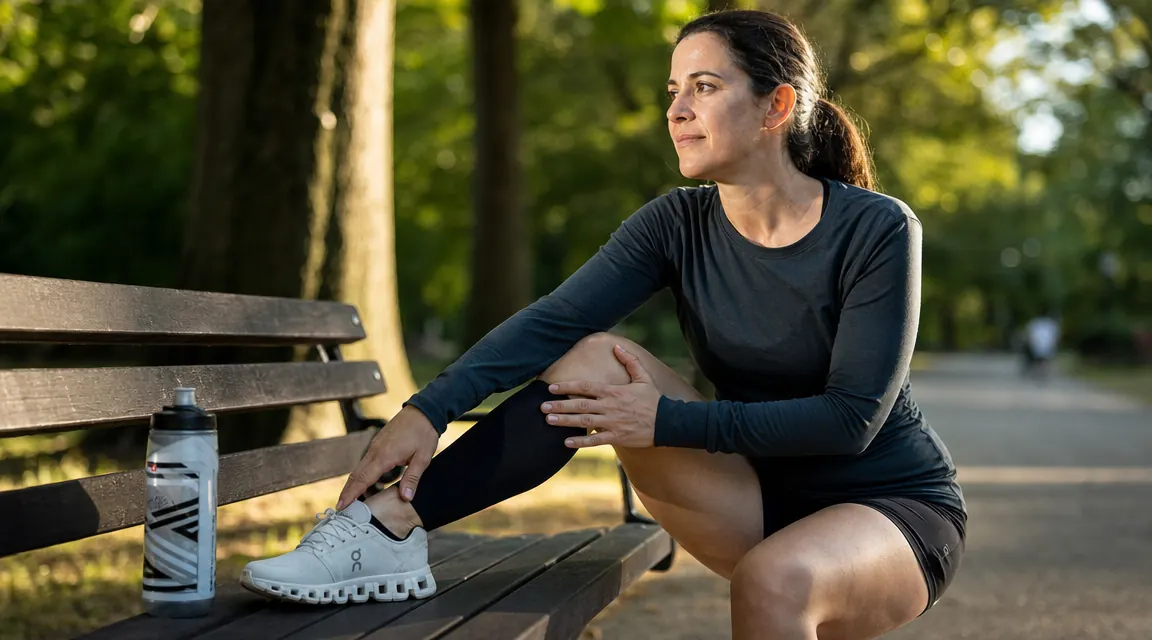
One practical reason runners avoid compression socks is the sock-under-sock problem. Either the compression sock bunches inside your shoe, or it changes the feel of your existing running socks in a way that causes blisters. A footless compression sleeve like the BLITZU removes that problem entirely. You wear your favorite running socks underneath, and the sleeve sits cleanly from the ankle to the knee without touching your shoe fit or sock feel at all.
Doubles as Support for Plantar Fasciitis and Achilles Recovery
The BLITZU sleeve's compression extends down to just above the ankle, providing mild support to the Achilles tendon and the transition zone where plantar fascia stress is often felt. Runners dealing with low-level Achilles tendinopathy or morning heel pain from plantar fasciitis often find that wearing a sleeve during their first mile or two reduces the warm-up time before their symptoms ease. It won't replace targeted physical therapy work, but as a support layer during active recovery, it earns its keep.
Under $15 Makes It the Easiest Recovery Investment You'll Make This Year
Massage guns cost $60-300. Foam rollers run $25-60. Ice baths require either a chest freezer or enough willpower to fill your tub with bags from the gas station. A pair of BLITZU Calf Compression Sleeves costs less than your last post-run meal. That price-to-impact ratio is hard to beat when you're building a recovery toolkit on a real budget. Check the current price on Amazon, pick your size based on calf circumference (the size chart on the listing is accurate), and have them before your next long run.
What I'd Skip
If your calf pain is sharp, stabbing, or localized to a very specific spot rather than a general ache or tightness, see a sports medicine doctor before relying on compression to manage it. A stress fracture in the tibia can present similarly to shin splints, and compressing around an undiagnosed fracture is not a recovery protocol, it's a delay. Compression sleeves are excellent for DOMS, shin splint management, circulation support, and general calf fatigue. They are not a diagnostic tool and they are not a substitute for addressing the underlying cause of a recurring injury.
Also, if you have circulation issues, deep vein thrombosis risk, or peripheral neuropathy, get clearance from your doctor before wearing any compression garment. For healthy recreational runners, the risk profile is essentially zero. But it's worth saying plainly.
Your Calves Took a Beating Today. Give Them Something Back.
The BLITZU Calf Compression Sleeve is the first recovery tool I recommend to any runner dealing with calf tightness, shin splints, or slow recovery between sessions. It's under $15, fits cleanly under your running gear, and makes a noticeable difference by your second wear. Read the full long-term review or check the current price and sizing on Amazon.
Amazon Check Today's Price on Amazon →