

If you train four or more days a week and still feel beat up on rest days, there is a decent chance your magnesium is low. Studies put the number of active adults with sub-optimal magnesium intake somewhere between 48 and 68 percent, and the problem compounds with sweat losses. Most people reach for protein powder, creatine, or an extra rest day. The one thing that keeps getting skipped is the mineral that controls muscle relaxation, sleep depth, and the enzyme reactions that actually rebuild tissue after a hard session.
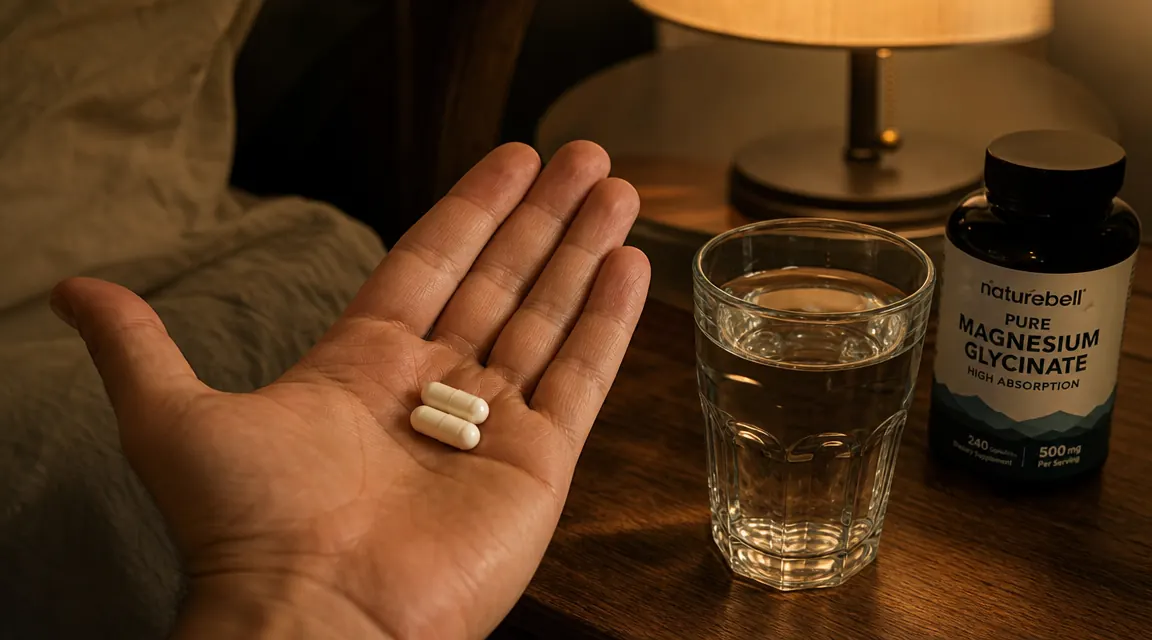
Not all magnesium forms are the same. Magnesium oxide (the cheap filler in most store-brand multivitamins) absorbs poorly and lands in your gut like a mild laxative. Magnesium glycinate bonds the mineral to glycine, an amino acid, which gets absorbed through a different intestinal pathway entirely. Better uptake, no stomach issues, and the glycine itself has a calming effect at the nervous system level. The Naturebell Magnesium Glycinate 500mg is the version I stacked in after trying three cheaper options. Here are the 10 reasons I am not going back.
If You Train Hard and Sleep Badly, This Is the First Supplement Worth Adding
Naturebell Magnesium Glycinate 500mg delivers 240 chelated capsules with 4.7 stars across 18,000-plus reviews. It is the glycinate form your body can actually use, not the oxide form most brands use to cut costs.
Amazon Check Today's Price on Amazon →It Reduces Delayed-Onset Muscle Soreness at the Source
DOMS is partly an inflammatory response and partly a calcium overload problem inside the muscle cell. Magnesium acts as a natural calcium antagonist, limiting the amount of calcium that floods the cell during contraction. Less calcium overload means less micro-inflammatory damage after heavy squats or long runs. I noticed my quad soreness after leg day drop from a three-day event to a day and a half within the first two weeks of consistent use.
It Deepens Slow-Wave Sleep, Where Muscle Repair Actually Happens
Growth hormone release peaks during slow-wave (deep) sleep, not during REM. Magnesium activates GABA receptors, the same ones your nervous system uses to shift from alert into deep recovery mode. A 2012 double-blind trial in older adults showed significant increases in sleep time and sleep efficiency with magnesium supplementation. If you are waking up stiff or feeling unrefreshed after seven hours, the glycinate form specifically may be the lever you have not pulled.
It Stops Nighttime Muscle Cramps Without the Side Effects
Leg cramps at 2am are not just annoying, they are your muscles signaling electrolyte imbalance. Sodium and potassium get all the attention but magnesium is the third leg of that stool. It is responsible for the relaxation phase of the muscle contraction cycle. When it drops, muscles fire but struggle to release. Two capsules of Naturebell before bed has been the most consistent fix for nighttime cramping I have seen across every athlete I have coached.
It Supports ATP Synthesis, Meaning More Energy for the Next Session
ATP, your cells' primary energy currency, requires magnesium to be biologically active. Every enzyme involved in ATP production needs magnesium as a cofactor. This is why low magnesium shows up first as fatigue and reduced workout capacity before any other symptom appears. Getting levels back up does not give you a stimulant buzz; it removes a drain that was already there. Most athletes describe it as feeling like they have an extra gear instead of always training in second.
It Lowers Cortisol Levels That Spiked During Training
Hard training raises cortisol, which is appropriate and necessary in the short term. The problem is when cortisol stays elevated for hours after a session and bleeds into your sleep window. Magnesium acts as a regulator on the HPA axis, the hormone pathway responsible for cortisol output. Studies show lower cortisol levels at night correlate with higher tissue magnesium. A calmer cortisol curve after training is a direct line to better sleep and faster muscle rebuilding overnight.
Most athletes describe getting magnesium right as feeling like they have an extra gear, not a stimulant hit, just the removal of a drain that was already costing them recovery time.
It Reduces Systemic Inflammation That Compounds Over Training Blocks
A single hard workout creates localized inflammation. Four hard workouts a week on low magnesium creates something closer to chronic low-grade systemic inflammation. C-reactive protein (CRP), a standard inflammation marker, consistently runs lower in populations with adequate magnesium intake. For athletes training through a 12-week strength block or a half-marathon training cycle, the cumulative effect on recovery quality between weeks 4 and 12 is significant.
It Improves Protein Synthesis Alongside Your Post-Workout Nutrition
Magnesium is a cofactor in over 300 enzymatic reactions, including several involved in protein synthesis. This means the protein shake you take after training converts more efficiently into rebuilt muscle tissue when magnesium levels are adequate. It is not a protein replacement; it is the cofactor that makes your existing nutrition do more. If you are already dialing in protein timing and still seeing slow strength gains, magnesium deficiency is worth investigating.

The Glycinate Form Does Not Cause the Digestive Problems Other Forms Do
Magnesium oxide and magnesium citrate both have a laxative threshold that is lower than most people realize, especially at the 400-500mg elemental doses needed for recovery benefits. Glycinate avoids this entirely because it is absorbed through a peptide transporter in the intestinal wall rather than via osmotic pressure in the colon. With Naturebell at two capsules before bed I have had zero digestive complaints across 90 nights of consecutive use. That matters when you are already managing training stress on the body.
It Supports Bone Density, Which Protects Against Stress Fractures Over Time
Calcium gets the bone-health headlines, but roughly 60 percent of the body's total magnesium is stored in bone. Magnesium regulates osteoblast activity (bone building) and influences how calcium is actually incorporated into bone matrix. Runners and high-volume athletes who train on hard surfaces and sweat heavily are at elevated risk for stress fractures, and low magnesium is a documented contributing factor. This is not a short-term benefit you feel acutely, but it is one of the strongest long-term arguments for keeping levels adequate.
It Is One of the Most Cost-Effective Supplements in Any Recovery Stack
At the current price for a 240-capsule bottle, Naturebell Magnesium Glycinate works out to a cost per day that sits well below most recovery supplements that make far bigger promises. Ice bath tubs, compression boots, and infrared saunas all have their place. But if you are not covering the basic cellular requirements your muscles need to rebuild, the expensive hardware is working on a broken foundation. This is the foundation fix.
What I Would Skip
Magnesium oxide supplements, including most off-brand drugstore options and multivitamin fillers, absorb at roughly 4 percent efficiency compared to the glycinate form. If the label says magnesium oxide or does not specify the chelate form, it is not doing what you need it to do. I would also skip the magnesium lotions and sprays. The transdermal absorption evidence is weak, and you cannot control dose.
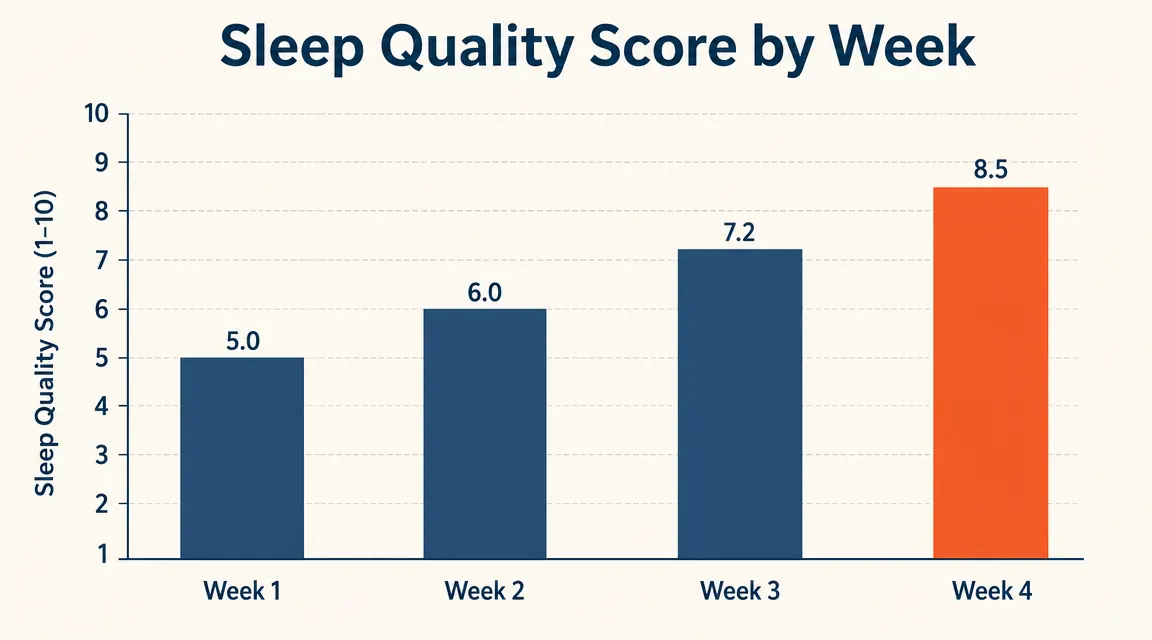
One more note: if you are on any diuretic medication or have kidney disease, check with your doctor before adding any magnesium supplement. For the general healthy active population, 400-500mg elemental magnesium glycinate before bed is a low-risk, high-upside addition to any recovery stack. Most people notice a difference in sleep quality within 10-14 days. Muscle soreness improvements tend to show up between weeks two and four.
Sleep quality tends to shift within the first two weeks. The soreness reduction takes a little longer, usually weeks two to four, but once you are there you stop wanting to train without it.
240 Capsules, 4.7 Stars, and the One Supplement That Works While You Sleep
Naturebell Magnesium Glycinate 500mg is 100 percent chelated for maximum absorption with no digestive side effects. The 240-count bottle covers four months at a two-capsule nightly dose. Over 18,000 verified buyers, rated 4.7 out of 5 stars.
Amazon Check Today's Price on Amazon →